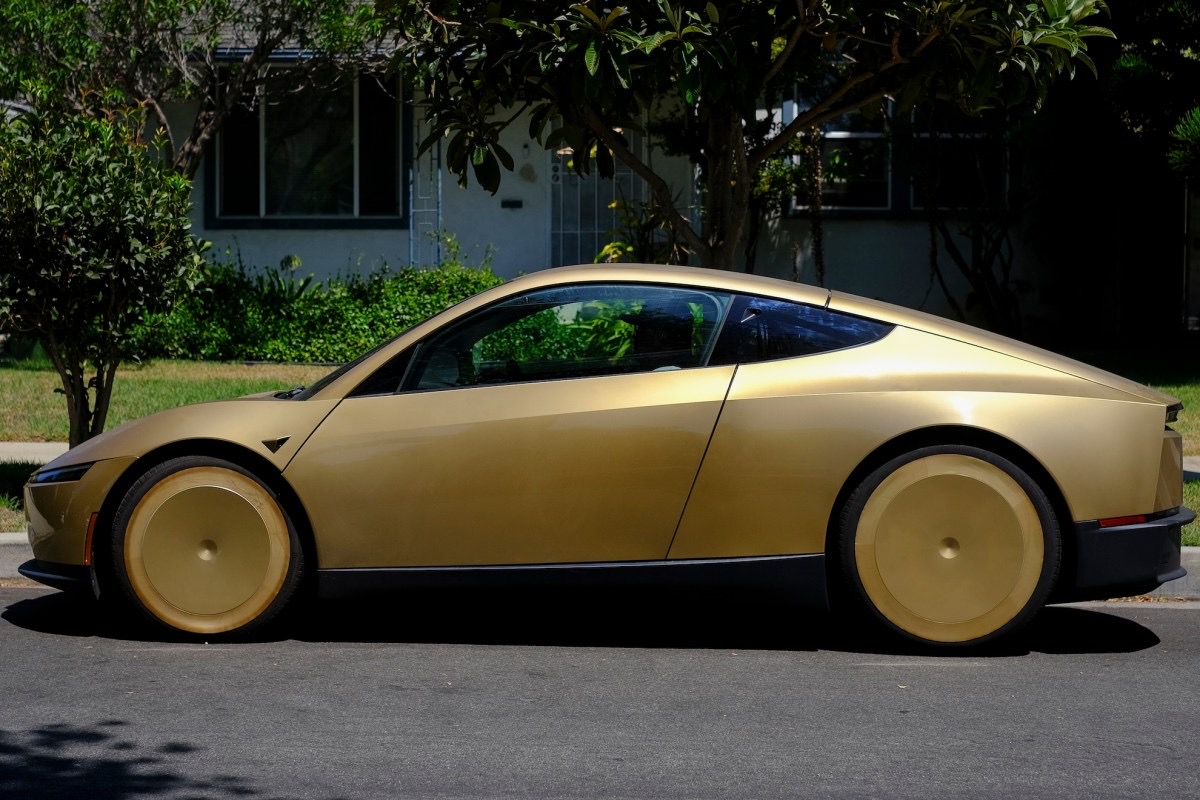
The National Highway Traffic Safety Administration opened an investigation into Tesla's Cybercab on a Friday morning, just hours after the company put the driverless vehicle on public roads in Austin, Texas.
The Cybercab has no steering wheel and no pedals. Federal vehicle safety rules require manual controls. The Department of Transportation has already proposed dropping that requirement for vehicles designed to drive themselves — but that change hasn't taken effect yet.
Tesla told NHTSA it self-certified the Cybercab as compliant with all Federal Motor Vehicle Safety Standards. That's the standard path automakers use to bring new vehicles to market. NHTSA says it's now examining 'the process and technical data on which Tesla relied when certifying the Cybercab and related issues.'
Administrator Jonathan Morrison framed the probe as pro-innovation, not anti-Tesla: 'NHTSA fully supports the safe development and deployment of automated vehicles. But as the federal regulator, we need to ensure that all of our laws are followed.' The agency added it's actively rewriting the FMVSS rules to 'unleash American innovation' and expects to finish those updates 'in the coming months.'
There's a playbook here, and Zoox already ran it. In 2022, Amazon's robotaxi unit self-certified its own steering-wheel-free vehicle. NHTSA issued a special order that year, then a formal audit query in 2023 — the same process now aimed at Tesla. The probe slowed Zoox's path to market. In 2025, regulators granted a demonstration-only exemption. Zoox then filed for a Part 555 exemption from eight separate FMVSS standards, and got final approval in July 2026 — capped at adding 2,500 vehicles a year to its fleet over the following two years. Weeks later, Zoox launched commercial paid rides in Las Vegas.
Tesla has also drawn NHTSA scrutiny before: an earlier investigation into its Full Self-Driving software covered roughly 2.9 million vehicles after 58 reported incidents, including cases of running red lights, with some crashes and injuries but no reported fatalities.
Here's the math for founders building in autonomous vehicles, drones, or any hardware category the rulebook hasn't caught up to: self-certification gets your product on the road, but it doesn't buy you speed. Zoox's clock ran roughly four years from special order to paid rides. If you're raising capital against a commercialization timeline, budget in years of regulatory runway, not quarters.
The encouraging signal is that the agency isn't trying to bury the technology — it says it's working to remove 'unnecessary barriers to American AV innovation' while the old rules stay in force. That's the right instinct: safety oversight that doesn't become a permanent tax on building. Founders who get this right treat compliance as a product requirement from day one, not a legal afterthought bolted on after launch.