The outbreak, by the numbers
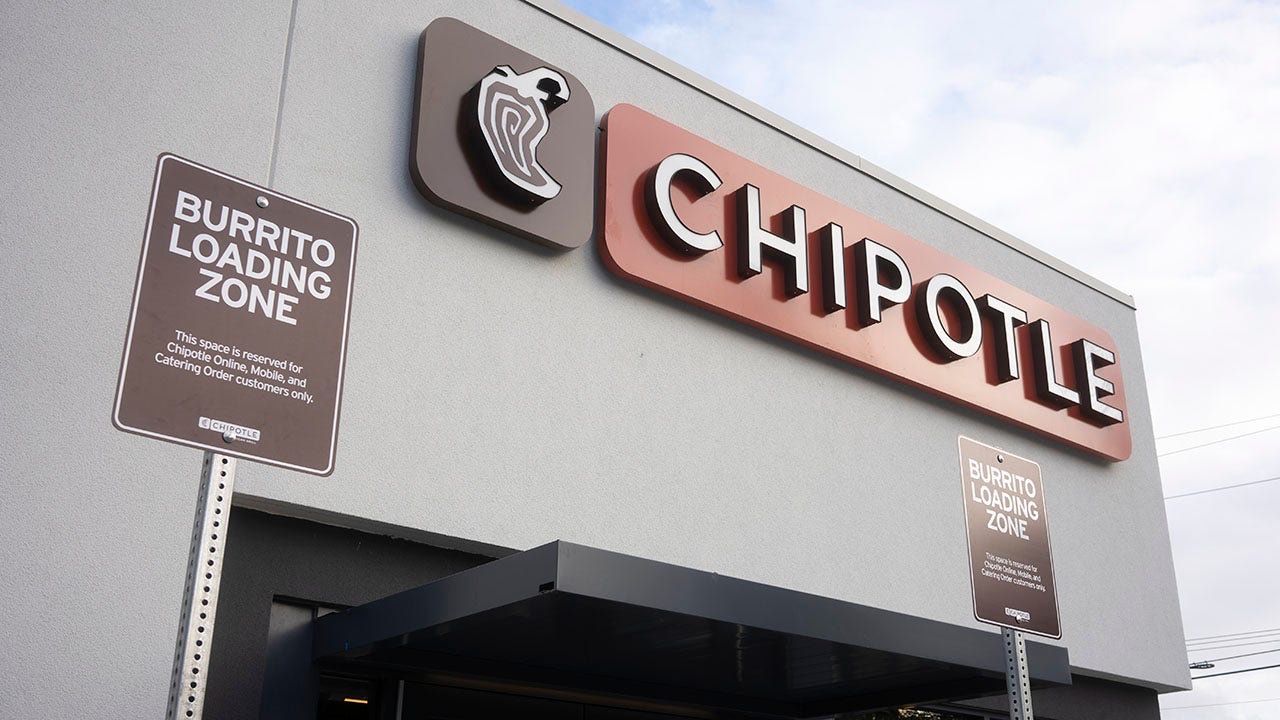
The Minnesota Department of Health identified 110 cases of Salmonella Javiana linked to an ongoing investigation. Of the 84 patients interviewed after falling ill, 89% reported eating at Chipotle between mid-June and mid-July, according to Carlota Medus, senior epidemiologist supervisor in the department's foodborne diseases unit.
State officials were careful to note that not every illness has been tied directly to Chipotle, and that other Mexican-style quick-service restaurants may also have received the contaminated ingredient. The U.S. Food and Drug Administration launched a traceback investigation focused on jalapeños and other possible sources.
What Chipotle actually did
After learning of the potential outbreak, Chipotle activated its ingredient traceability system, identified jalapeños from a common lot as the potential shared ingredient, pulled them from the restaurants where they had been distributed, and replaced them with product from different growers — all described by the company as proactive and voluntary.
'Out of an abundance of caution, we proactively removed the jalapeños from our restaurants and replaced them with product from different growers,' the company said in a statement.
Chipotle did not disclose how many restaurants were affected or identify the original supplier. The Minnesota Department of Health confirmed it has 'no ongoing concerns with Chipotle' following the removal, though officials warned the outbreak could continue if contaminated jalapeños remain in circulation at other food service establishments.
The market's memory is long
Chipotle shares fell 7.3% on Tuesday, according to The Wall Street Journal. The drop reflects investor anxiety rooted in the chain's 2015–2018 run of food safety crises — at least five separate foodborne illness outbreaks that forced a full overhaul of the company's safety program. Since then, Chipotle has been regarded as an industry leader on ingredient traceability and employee food safety training.
The current news cycle adds another layer: a separate cyclospora outbreak has produced more than 6,700 confirmed cases nationwide, with Michigan public health authorities confirming two deaths linked to that outbreak on Monday. Chipotle said it serves no ingredients tied to the cyclospora outbreak, but acknowledged that consumer concern about foodborne illness affected its sales in the second half of July.
The takeaway for founders
The Chipotle playbook here is worth studying, whatever your industry. When a supply chain risk surfaced, the company did three things fast: activated a pre-built traceability system, identified the specific lot, and swapped the ingredient before regulators demanded it. That sequence — invest in the infrastructure before the crisis, move first, communicate clearly — is what separated a manageable headline from a repeat of 2015.
The 7.3% stock drop shows markets still price in reputational memory. But the operational response shows what a decade of post-crisis investment in systems looks like when it matters. Founders who build traceability and crisis protocols into their supply chains before they need them don't just protect customers — they protect their margins and their runway when things go sideways.