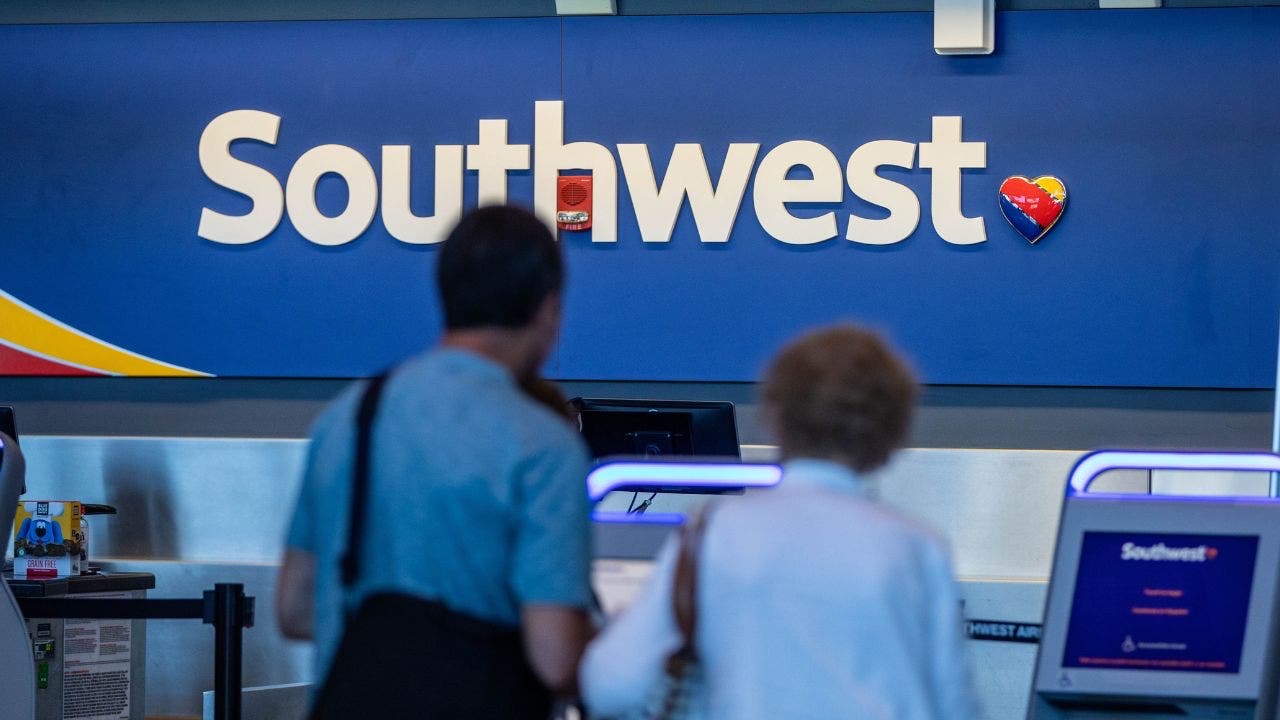
Southwest Airlines is entering the lounge business. The carrier announced Wednesday that it will open its first four airport lounges in late 2027, in Austin, Baltimore, Honolulu and Nashville, with at least seven more planned across the network in the years after.
The project isn't a solo effort. Southwest is partnering with Chase, building on the bank's existing Chase Sapphire Reserve Lounge Network, and will launch a new Southwest Rapid Rewards credit card issued by Chase in 2027 to grant access. The airline called it a 'strategic investment in Rapid Rewards' that deepens a 30-year partnership with Chase, according to Tony Roach, EVP and chief customer and brand officer at Southwest Airlines.
'Southwest Airlines has built one of the most trusted brands in travel by delivering authentic hospitality that customers value,' Roach said. 'Our lounges will be a natural extension of that experience, offering customers a place to relax and experience the Southwest brand in a new way.'
The math behind the move is straightforward. A J.D. Power study released in December 2025 found that 47% of lounge users plan their routes based on lounge access, and 82% of travelers choose an airline based on whether it offers one. For a carrier competing against legacy networks with decades-old premium infrastructure, that's a customer signal too large to ignore.
Southwest first signaled interest in lounges last September, when Reuters reported the airline was exploring a network to boost loyalty revenue. Since then, the company has already ended its longstanding open-seating model and shifted to plus-size pricing changes — and, alongside Delta, hiked checked bag fees as fuel costs climbed. The lounge network is the latest, and most visible, piece of that same repositioning.
Here's the playbook: Southwest spent decades winning customers on price and simplicity — no assigned seats, no bag fees, no frills. That model built loyalty, but loyalty alone doesn't pay for jet fuel or fund a credit-card partnership. The airline is now doing what any founder watching margins compress would do — following the data on where customers actually spend, and building the product to match.
The math is simple: lounges, co-branded cards and premium seating extract more revenue per customer than a fare war ever could, and the J.D. Power numbers suggest travelers are willing to pay for it. This isn't a retreat from Southwest's brand; it's a bet that the market for premium loyalty is bigger than the market for the cheapest seat in the row.
Founders who get this right move faster than competitors clinging to a legacy pricing model. Southwest waited years to make this call. The airlines — and companies in any industry — that read customer willingness-to-pay early are the ones capturing the margin before it's obvious to everyone else.