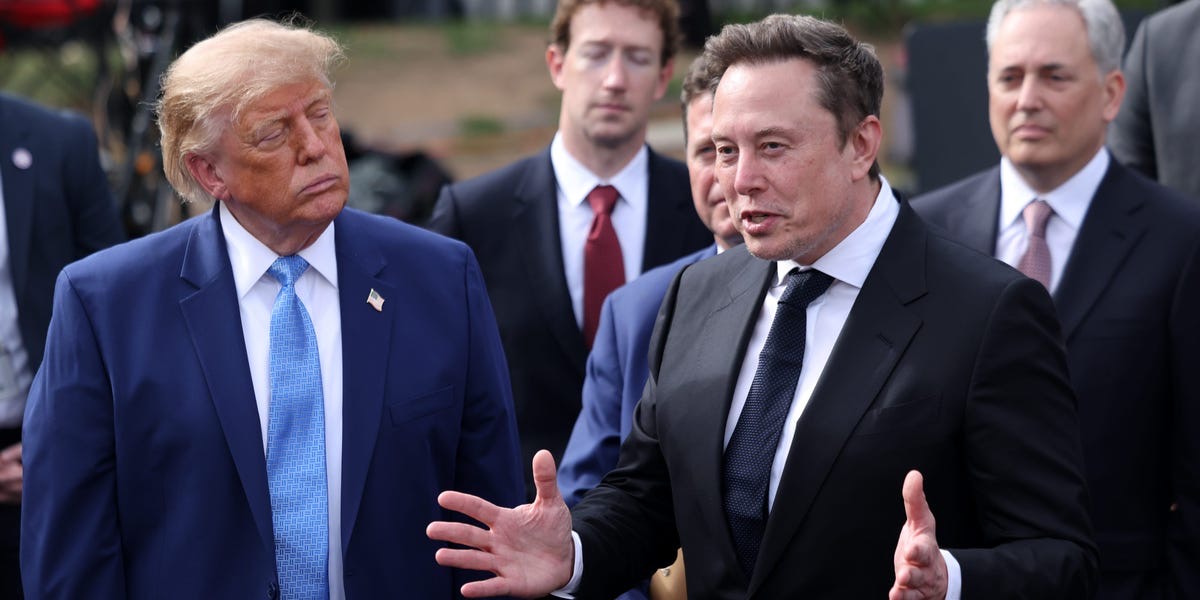
Less than 24 hours after announcing plans to give SpaceX shares to every child in the United States, Elon Musk raised the offer again. On Thursday he said he would gift a SpaceX share to every American child every year. In a post on X, he wrote: 'Vital that children have a stake in the future.'
The escalation follows a sequence. Musk had first promised in October to give a share to every child. On Wednesday he said each child would receive two shares: one from the company and one from himself. The shares from SpaceX will be transferred next month, and Musk's will move when his lockup expires in June.
Here is the math. Based on 2025 census data, there are roughly 72 million children in the United States. SpaceX's share price opened around $130 on Friday. If Musk gifted 72 million shares at that price, they would be worth about $9.4 billion. Under his latest pledge, a child could receive 19 shares over 18 years: one from SpaceX and up to 18 from Musk. At the current price, that stack would be worth nearly $2,500.
The value is not fixed. It will rise or fall with SpaceX's performance. Musk has set lofty goals. On Thursday he said that if SpaceX succeeded in making life multiplanetary and harnessing a millionth of the sun's energy, it could be worth about a million times the current global economy, a figure equivalent to roughly $128 quintillion based on International Monetary Fund estimates. He acknowledged those were 'absurdly difficult goals' and added: 'I recommend holding on to your shares.'
It appears likely the shares will be transferred into Trump Accounts. The Trump administration launched that initiative this summer, with children born between 2025 and 2028 receiving a $1,000 federal seed deposit. Other private donors have followed. Michael and Susan Dell contributed $250 to 25 million Trump Accounts last month. SpaceX President Gwynne Shotwell and her husband also pledged in July to give away 2 million SpaceX shares.
For founders, the signal is hard to miss. Equity in a fast-growing company is one of the most powerful wealth-building tools there is, and Musk is betting that broad ownership creates a stake in the future. Founders who run the numbers should note the real caveat: a stock's value depends entirely on performance, and the most ambitious projections are far from guaranteed.
The editorial reading is this. A private gift of equity is a voluntary transfer of wealth from its owner, and it deserves applause on those terms. But the larger principle is that ownership should come from earning and investing, not from being assigned a stake by government design. When a federal program supplies the seed deposit and private donors fill the account, taxpayer money and private generosity blend together in ways that blur who is responsible for the outcome. Free enterprise works best when individuals build and hold their own capital, and when the state stays out of choosing who gets it.