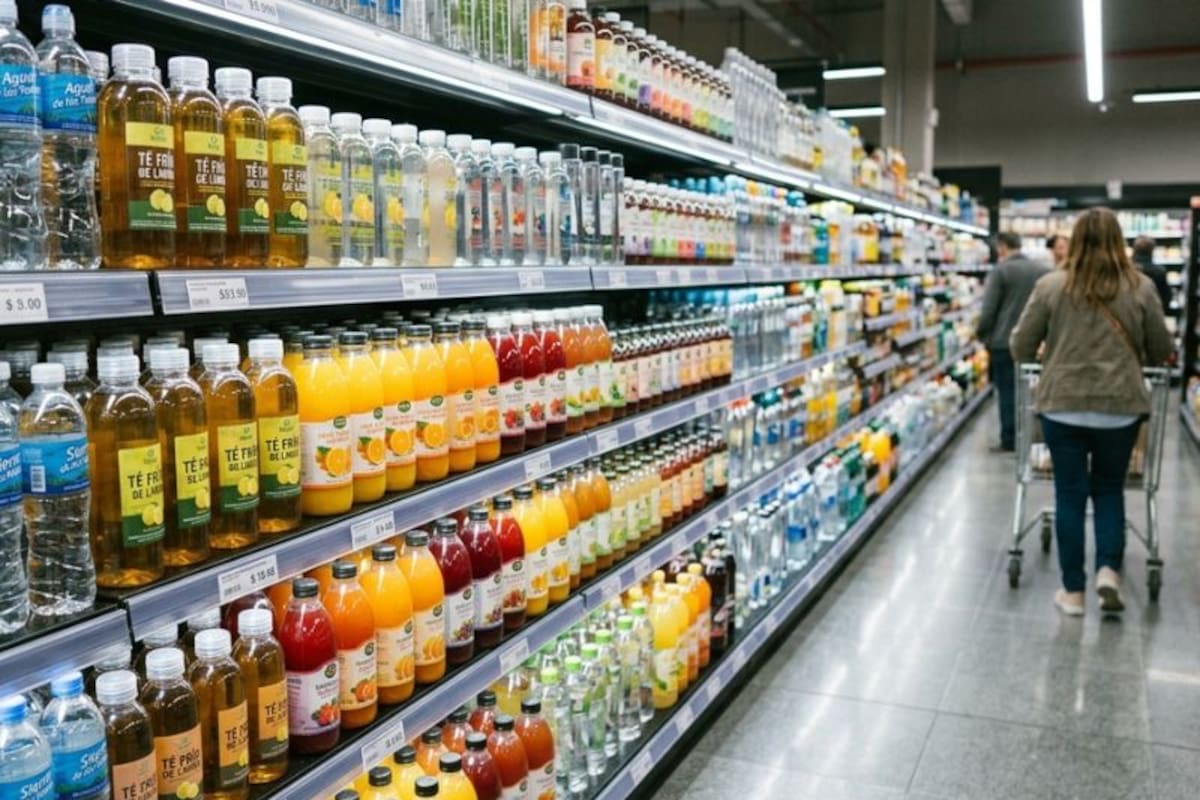
Your packaging color is costing someone money — and it might eventually cost you.
Recycling specialists agree that transparent plastic containers and lids are among the best options from an environmental standpoint. The reason is straightforward: without pigments, the plastic can be recovered and reused more easily at processing facilities.
Why color is the enemy of the recycling line
At recycling plants, transparent materials have a measurable advantage. Because they contain no inks or dyes added during manufacturing, they can be processed without a pigment-removal step — a stage that consumes time, resources, and in some cases degrades the quality of the recovered material.
Once sorted and shredded, transparent plastic can be used to manufacture new white or translucent high-quality containers without adding colorants to correct its appearance.
Colored plastics work against that loop. Intense pigments remain in the recycled material and limit reuse options. In many cases, that plastic can only go into dark or lower-value products, shrinking its recovery potential.
'Chromatic contamination' is a real ops problem
Many recycling facilities now run a specific sorting step separating transparent or white lids from colored ones. The goal is to prevent what specialists call 'chromatic contamination' — what happens when different pigments mix and make it harder to produce good-quality recycled plastic.
Not all plastics share the same destination, either. Most containers carry a triangle of arrows with a number inside that identifies the material type. Knowing that number tells you where your packaging ends up.
The founder angle
If you run a consumer packaged goods brand — food, beverage, personal care — your packaging spec sheet is part of your unit economics. Transparent or white lids and containers move through recycling infrastructure faster and at higher recovered value. That matters as extended producer responsibility laws tighten across markets and retail buyers add sustainability scorecards to their vendor requirements.
The math is simple. Choosing transparent packaging today costs you nothing in most categories and keeps your product off the 'hard to recycle' list that increasingly shapes shelf placement and consumer trust.
Free enterprise built the modern supply chain. It can also build the circular one — but only if founders treat material specs as a business decision, not an afterthought left to the design agency. Start smaller than you think: audit your top three SKUs this quarter and ask your contract manufacturer what a transparent-lid swap actually costs. The answer will likely surprise you.